A Valley Viewpoint Narrative
Politics loves the word listening.
Listening tour. Listening session. Listening to the people.
It sounds humble. It sounds inclusive. It sounds safe.
But listening is not a passive act when you hold power. And who you choose to listen to—who you legitimize simply by sharing space—tells the public exactly who matters to you.
That’s why what unfolded at a recent event featuring Antonio Delgado matters far more than his campaign wants to admit.
At this so-called listening tour, among the invited and welcomed voices, was Jalil Muntaqim—a man convicted of executing two New York City police officers in 1971.
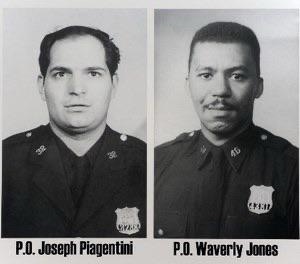
Let’s stop right there, because this is where the language always starts to soften.
Not formerly incarcerated.
Not controversial figure.
Not activist with a complicated past.
A cop killer.
Officers Joseph Piagentini and Waverly Jones were ambushed and murdered in cold blood. Their families didn’t get a listening tour. They got funerals. Decades of empty chairs. A lifetime of loss that doesn’t expire because a parole board changed its mind.
Yet here we are, more than fifty years later, watching a man responsible for that violence welcomed into a political space—treated as a community stakeholder, a moral voice, a symbol of progress.
And we are told, predictably, not to overreact.
He’s not part of the campaign.
He was there with an advocacy group.
It wasn’t intentional.
It was just listening.
No.
This is exactly the point.
Leadership is not measured by who accidentally wanders into the room. It is measured by who is allowed to stay—and who is never invited at all.
Politics is symbolic whether politicians like it or not. Every photograph is a statement. Every shared stage is an endorsement of relevance. You don’t get to borrow moral authority from victims while lending legitimacy to their killers.
New York’s political class wants it both ways.
They demand reverence for institutions—unless those institutions wear a badge.
They talk endlessly about justice—except when justice has a face, a name, and a surviving family asking to be remembered.
They preach accountability—but only downward, never inward.
This isn’t about rehabilitation. This isn’t about whether Muntaqim served his sentence. This isn’t even about parole.
This is about judgment.
About the inability—or unwillingness—to draw lines anymore.
There used to be things that disqualified you from moral leadership. There used to be crimes so final, so violent, so devastating to families and communities, that no amount of rebranding could turn them into résumé bullet points.
Now, apparently, all it takes is time, the right politics, and a microphone.
If you are running for governor of New York, listening is not enough. You must know when not to listen—when to say, this is not appropriate, this is not acceptable, this is not who we elevate.
Because leadership is not about amplifying every voice.
It’s about protecting the ones that were silenced forever.
And if a listening tour can’t hear that truth, then it isn’t listening at all.
 The Valley Viewpoint