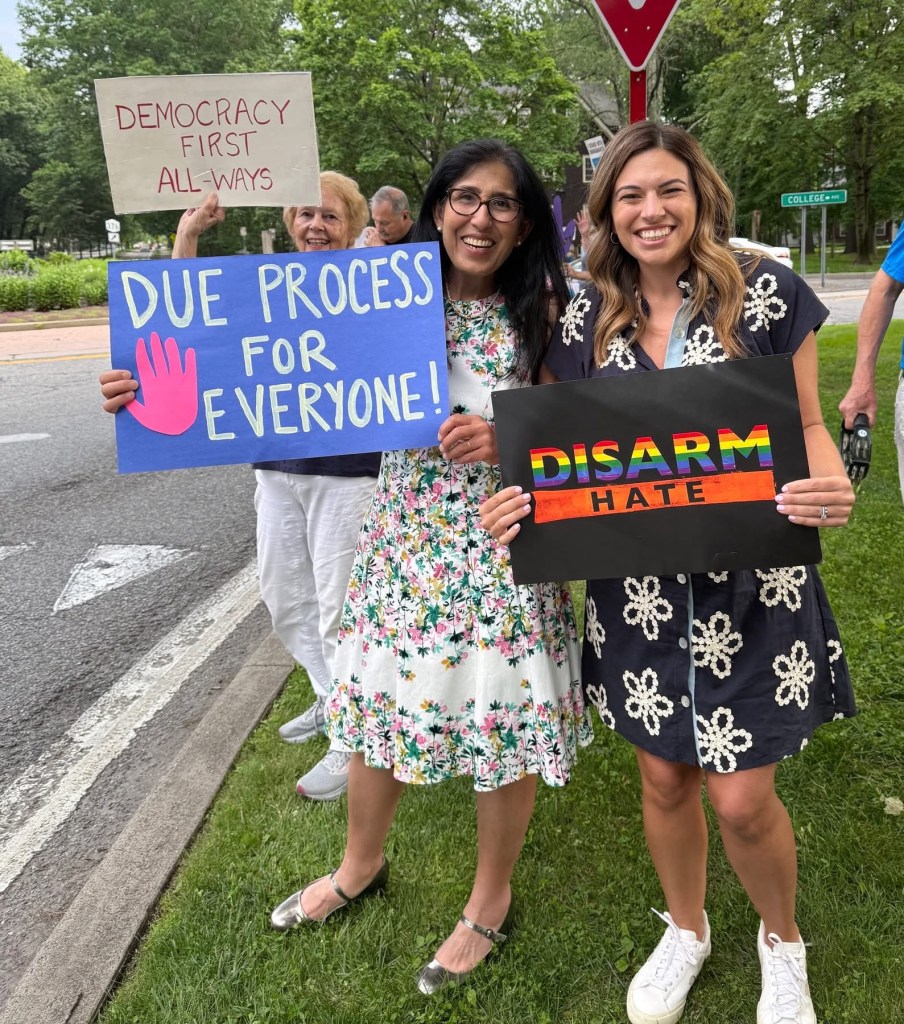
“Due process” is one of the most revered principles in American law. It exists to restrain government power, ensure fairness, and protect against arbitrary punishment. It is essential. But somewhere along the way, due process has been narrowed—spoken of almost exclusively in terms of the accused—while the people who suffer the harm have been pushed to the margins of the conversation.
Victims have become the forgotten side of due process.
When violent crime is committed, the law immediately mobilizes around the rights of the defendant: procedural safeguards, evidentiary standards, constitutional protections. All of this is proper. What goes unspoken is that victims, too, are owed process—protection before harm, accountability after it, and truth throughout. Justice is not complete simply because procedures were followed once someone was hurt. It must also ask whether the system failed while there was still time to prevent the harm.
That failure becomes impossible to ignore when ICE agents attempt to arrest individuals who have already victimized people—and are met by protests opposing the arrest itself. Whatever one’s views on immigration policy, opposing the lawful apprehension of someone who has already harmed others sends a stark message to victims: your suffering is secondary to the politics of the moment.
This is not a debate about mass roundups or blanket suspicion. It is about known offenders. Missed enforcement opportunities, ignored detainers, and refusals to cooperate are often followed by public outrage—not at the crime, but at the attempt to hold the perpetrator accountable. When enforcement finally acts and is denounced for doing so, the system completes a cruel inversion: the offender is centered again, and the victim disappears.
Due process is not meant to be a one-sided shield; it is meant to balance rights and responsibilities. Protesting the arrest of someone who has already caused harm confuses compassion with consequence-free governance. Compassion that refuses to recognize victims is not justice—it is abdication.
Which raises an unavoidable question: how can newly elected officials—and those seeking office—stand in public holding signs that read “Due Process for Everyone” and not see this? How can “everyone” exclude the assaulted, the bereaved, the traumatized? If due process truly belongs to all, why does it so often stop at the moment victims need it most—when accountability is finally pursued?
Victims deserve more than condolences and slogans. They deserve transparent explanations, lawful enforcement, and leaders willing to say that preventing future harm matters as much as protecting procedural rights. Due process, properly understood, runs the full arc of justice: before the crime, during enforcement, and after the verdict—applied to the harmed as surely as to the accused.
Until that balance is restored, victims will remain remembered briefly, mourned publicly, and forgotten institutionally. And that may be the greatest injustice of all.
 The Valley Viewpoint