
A Valley Viewpoint Narrative
There’s a familiar rhythm to modern outrage.
A federal action occurs. A partial version of events spreads faster than the facts. Elected officials rush to microphones. Protest signs appear overnight. And before the public has even learned what actually happened, the verdict is already rendered.
What we are watching unfold around ICE right now fits that pattern almost perfectly.
Strip away the noise and the hashtags, and a harder question remains: how much of this outrage is organic — and how much is curated?
Because outrage, like everything else in modern politics, has become a product.
Protests don’t materialize in a vacuum. Messaging doesn’t synchronize itself. Talking points don’t magically align across activist groups, social media, and elected officials within hours unless there is structure behind it. That doesn’t mean everyone involved is acting in bad faith — but it does mean spontaneity is often overstated, and intent is rarely examined.
And that’s the real problem.
When federal law enforcement is involved in a violent incident, scrutiny is not just appropriate — it’s essential. No badge confers immunity from accountability. But scrutiny requires facts, timelines, and restraint. What we’re seeing instead is something else entirely: pre-loaded conclusions and selective framing designed to inflame rather than inform.
ICE is not a philosophical concept. It is an agency tasked — rightly or wrongly — with enforcing laws passed by Congress and signed by presidents of both parties. You can oppose those laws. You can argue they are unjust, outdated, or inhumane. But when the argument shifts from the law is wrong to the law has no legitimacy, we cross a dangerous line.
Because once enforcement itself is declared illegitimate, any resistance becomes justified — including interference, obstruction, and eventually violence.
That’s not a slippery-slope argument. It’s history.
And here in Dutchess County, we see a local version of this same dynamic playing out.
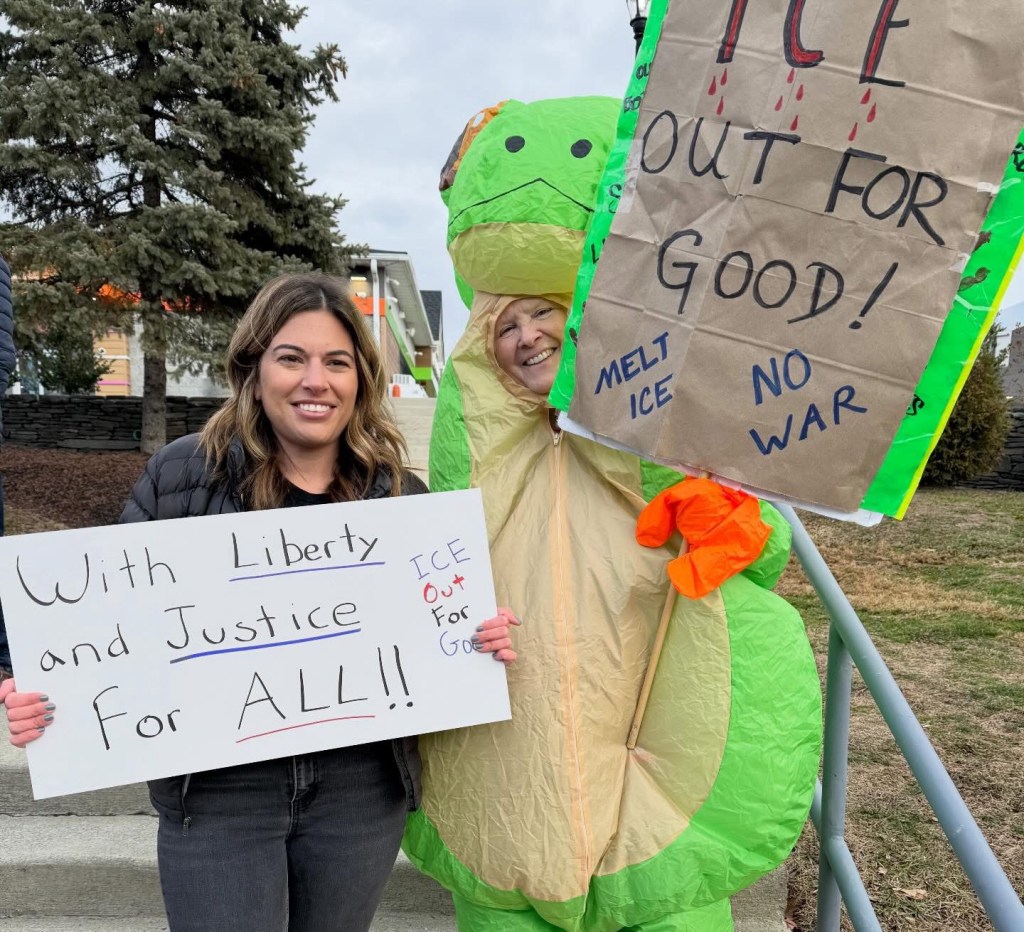
Newly elected officials — some only weeks removed from taking their oath — now appear behind protest signs and slogans that reveal a troubling truth: a fundamental ignorance of the very laws they just swore to uphold. Whatever one’s personal views on immigration enforcement, public officials do not get to selectively disregard the rule of law the moment it becomes politically inconvenient.
An oath is not symbolic. It is not conditional. And it is not overridden by a cardboard sign or a trending chant.
What’s especially troubling is the role of political leadership in moments like this. Leaders are supposed to slow things down, not accelerate chaos. They are supposed to demand investigations, not assign blame before evidence exists. They are supposed to distinguish between peaceful protest and incitement — not blur the two for political advantage.
Instead, we’re seeing a familiar abdication: outrage outsourced to the streets, accountability deferred, and complexity reduced to slogans.
This is where the public gets misled — not because concerns are illegitimate, but because they are weaponized.
You don’t have to support ICE to recognize this. You don’t have to endorse aggressive enforcement to notice the choreography. And you don’t have to trust the federal government to question narratives that demand instant outrage while discouraging basic questions.
The Valley Viewpoint has always held this line:
Truth before team.
Law before emotion.
Facts before hashtags.
If ICE agents acted improperly, investigate them — fully and transparently. If local officials inflamed tensions irresponsibly, hold them to account as well. If activist groups are intentionally escalating conflict to force political outcomes, that deserves sunlight, not silence.
Because the moment we accept that outrage itself is evidence — that feelings replace facts — we lose something far more important than an argument.
We lose the rule of law.
And once that’s gone, no sign, no chant, and no cause — however righteous — will be enough to bring it back.
 The Valley Viewpoint